CYNTRA was founded by senior engineering and cyber specialists who spent years inside the real pressure zones of critical infrastructure.
Our mission is direct: protect and govern the operational systems that keep the world running.
We combine attacker thinking, engineering discipline and executive clarity to secure OT environments without losing sight of the human operators behind them.
OT security is not IT security with a different logo.
The same advice that works in an office can stop a plant. We start from how operational environments actually behave.
Topic
Typical IT approach
What we do in OT
First priority
Confidentiality of data
Safety of people and process, then availability
Patching
Apply quickly, reboot
Test against the process, schedule in maintenance windows, use compensating controls when patching is not possible
Asset lifetime
3–5 years
15–30 years, with unsupported and proprietary systems
Scanning
Active scans are routine
Passive discovery first; active tests only where the device allows it
Failure impact
Lost data or service
Physical damage, outages, environmental or safety events
How we work
Operations first
No recommendation that the plant cannot run with. Every measure is checked against uptime, safety procedures and the people who operate the system.
Think like an attacker
We model real attack paths, from the corporate network and remote access down to the controller, and rank risks by what an attacker could actually reach.
Engineering evidence
Findings tie to architecture, protocols and configurations, not to generic checklists, so engineers can verify and act on them.
Clear to leadership
Each report has a version for executives: what the risk is, what it costs to fix, and what to decide now.
Teams that keep the skills
We train as we go. Your engineers and operators finish the engagement able to maintain the result without us.
Who we work with
Engineering teamsSecure design for new and existing systems, network segmentation, and secure remote access that does not disturb control logic.
Operations teamsPractical procedures, monitoring and incident playbooks that fit shift work and real maintenance windows.
Security teamsOT visibility, detection, and a shared language with the engineers who own the plant.
LeadershipA clear risk picture, a prioritised roadmap and a governance model for continuity and compliance.
Standards, frameworks & guidance
Industrial and OT security
IEC 62443
NIST SP 800-82
ISO/IEC 27019
Purdue reference model
Information security management
ISO/IEC 27001
Regulation and guidance by region
Israel: National Cyber Directorate guidance
North American: NERC CIP
EU: NIS2
We help you prepare for and align with these frameworks. Certification and audits are carried out by accredited bodies.
How an engagement runs
1
Scoping call
We learn your systems, constraints and priorities. You receive: a short scope and approach note.
2
Mapping
Assets, network paths, protocols and remote access, discovered with minimal impact. You receive: an architecture and asset view.
3
Risk assessment
Attack paths and weaknesses ranked by operational impact. You receive: findings with evidence.
4
Roadmap
Fixes sequenced by risk, effort and maintenance windows. You receive: a plan for engineers and a summary for leadership.
5
Training and handover
Hands-on sessions for the teams who run the system. You receive: trained staff and working procedures.
Typical starting points
Flat network
Situation: Office and control networks share one flat network.
We: Design segmentation and a controlled IT/OT boundary that can be rolled out without a shutdown.
Vendor remote access
Situation: Suppliers connect to equipment through unmanaged tools.
We: Define a managed, logged and time-limited access path with clear ownership.
No visibility
Situation: Nobody can list every device or protocol on site.
We: Run passive discovery and build an asset inventory the operations team can maintain.
Secure by design
We build cybersecurity into the requirements, architecture and acceptance criteria from the start. We agree on what each control should protect and how the project team will verify it at handover.
In live environments, we plan around safety, uptime and the windows available to test changes.
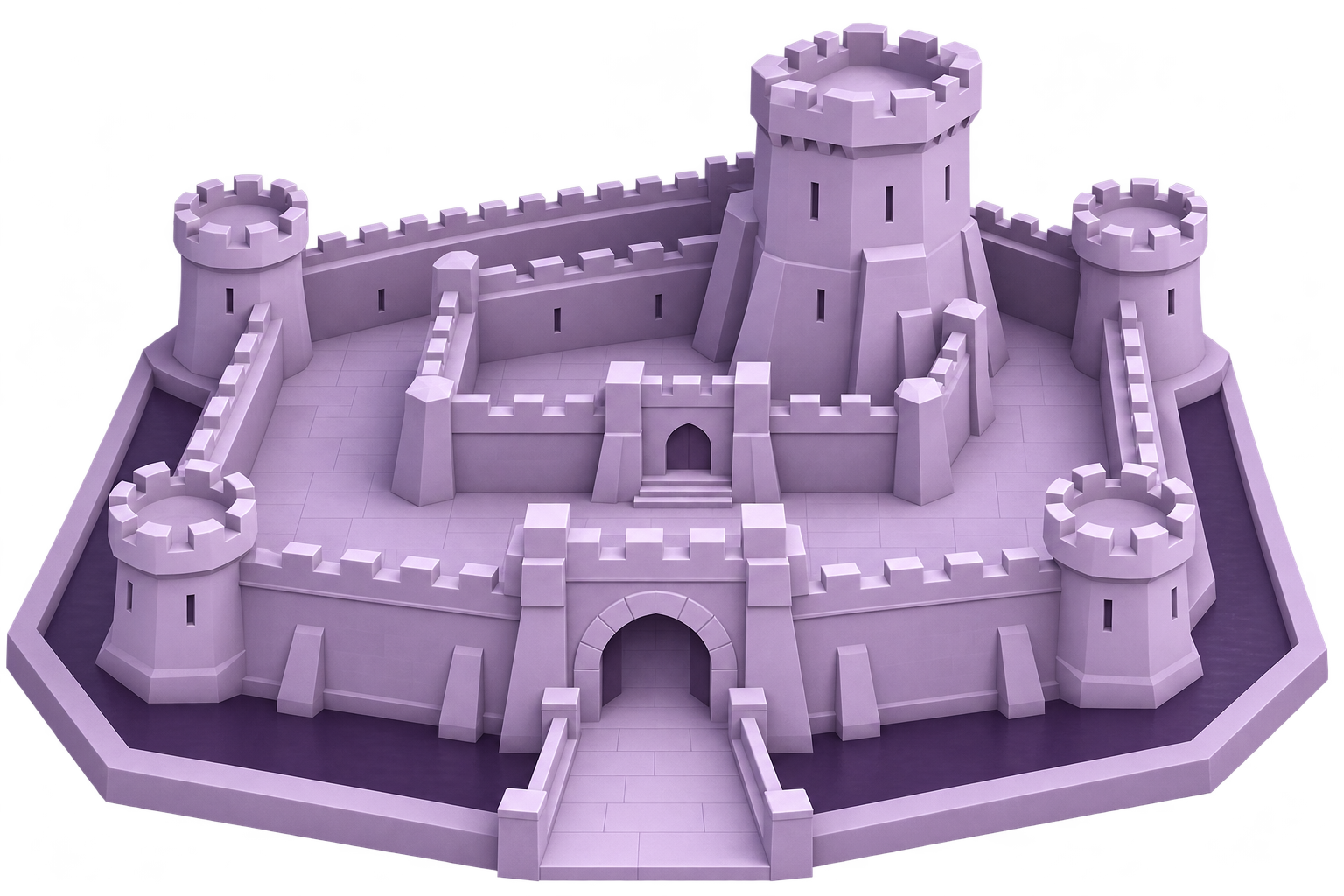
Select a symbol to explore an OT protection.
Crown jewels
Critical functions & assets
Identify the processes that protect people, maintain production or keep essential services running. Map the assets and data they depend on.
What you receive: A prioritized map of critical functions and their dependencies.
Moat and outer wall
Network segmentation
Group systems into zones by function and risk. Define the connections the site needs across the IT and OT boundary and between OT zones.
What you receive: A zone and connection plan for engineering and security to review together.
Outer gate and drawbridge
Identity & remote access
Define who can connect remotely, what they can reach and when access ends. Use multifactor authentication (MFA) for remote access where supported.
What you receive: Access requirements and a process for approving and reviewing sessions.
Guard post
Endpoint protection
Review protection for engineering workstations, servers and other supported endpoints. Agree on compatible controls and how to verify them on site.
What you receive: A hardening baseline and a plan for systems that need alternative protections.
Masons
Patch & change management
Prioritize updates by risk and supportability. Agree how to test, schedule and roll back changes with operations.
What you receive: A patch and change plan with windows, owners and alternative controls where needed.
Watchtower
Visibility & detection
Decide which changes and unusual activity matter, how the site can observe them safely, and who should investigate.
What you receive: Monitoring requirements and a clear owner for each type of alert.
Inner wall
Team readiness
Give operators, engineers and security teams specific roles during an incident. Rehearse how they communicate and make decisions together.
What you receive: An OT response playbook and a tabletop exercise for the teams involved.
Keep
Backup & recovery
Agree which functions should recover first, what configurations and data need backups, and how the team verifies a restore.
What you receive: Recovery priorities and a restore plan the site can test.
Inner gate
Acceptance & handover
Turn the agreed requirements into checks the project team can run before handover. Record what was verified and who owns the remaining actions.
What you receive: An acceptance checklist tied to the design requirements.
Start with a 30-minute scoping call.
Tell us about your systems, challenges and priorities. A senior expert replies, and you leave the call with a suggested first step.


 Engineering teams
 Operations teams
 Security teams
 Leadership